Long-Line Dog Leash vs Retractable Leash: Which Should Wholesale Buyers Stock?
Table of Contents
Your Reliable Pet Products Partner
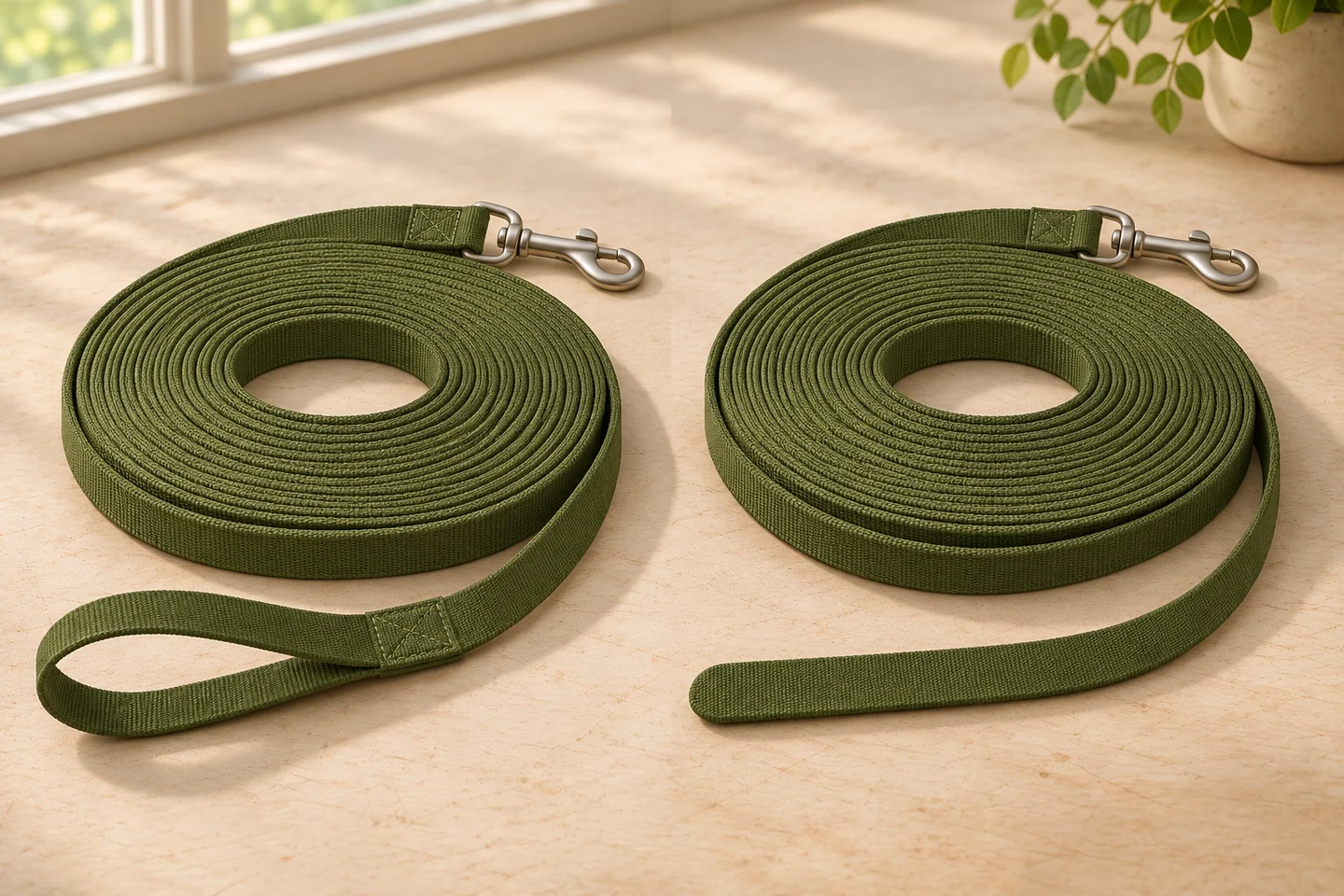
A pet shop asks for a longer leash. Before quoting a 10 m fixed long line or a 5 m retractable leash, ask what shoppers want to do with it. Someone practising recall needs room to work at a distance and a line they can gather. A handler walking a leash-trained dog in a quiet open area may want adjustable reach without loose line dragging on the ground.
For a first order, choose a category your retail customers can explain. Approve a finished sample, then compare the cost of getting it onto the shelf, including packaging, inspection and after-sales support.
Which Leash Should You Stock First
| Buying decision | Fixed long line | Retractable leash |
|---|---|---|
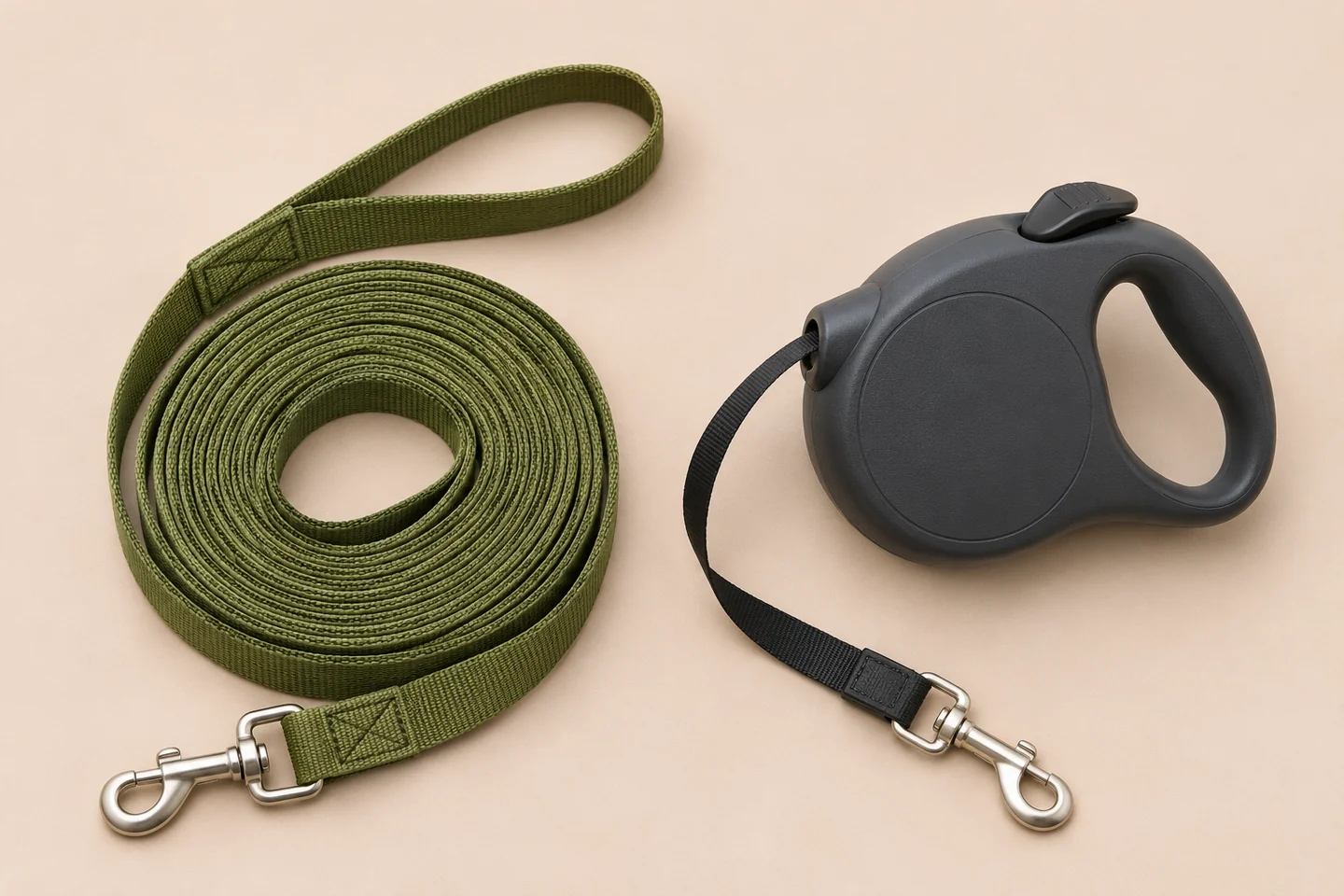
| Main use | Supervised recall practice and controlled distance training | Adjustable reach in suitable open areas with a leash-trained dog |
| How it handles | The handler feeds out and gathers the line by hand | A spring takes up slack. The user controls extension with the brake or lock. |
| What to check first | Finished weight, grip, tail finish and snap-hook joint | Brake and lock behaviour, smooth retraction and wear at the outlet |
| What creates a new SKU | Length, material, width, tail style or colour | Extension length, dog-size version, line type, housing or mechanism |
If your retail customers ask for supervised recall-training equipment, start with a fixed long line. If general pet shops keep asking for automatic slack take-up, review one retractable model. If the request is simply for “more freedom,” show both reference samples and ask which the store would order. For settings that require close control, include a short fixed walking lead in the range.
Give store staff and online shoppers the same explanation of intended use. Battersea’s long-line guide covers supervised training, and the AKC’s retractable-leash guide explains where a retractable can be appropriate.
What Shoppers Notice in Use
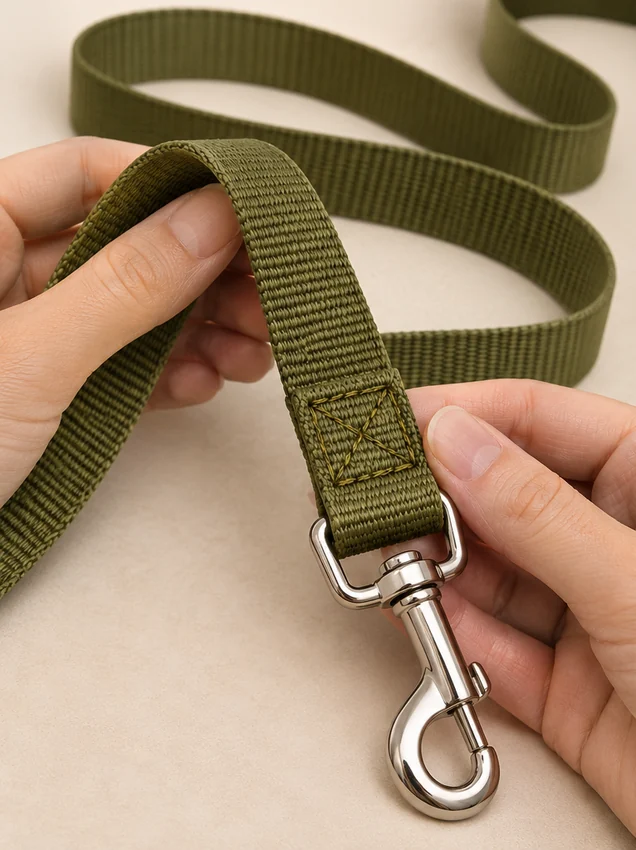
Review a fixed line at the length you plan to sell. A short swatch tells you little about the weight of a damp coil or how easily the line feeds through the hand. A sewn loop gives the handler a defined grip. A low-profile plain tail removes one point that could catch during supervised trailing. Show the full line and how it coils in the listing.
Automatic slack take-up can help when gathering the line is difficult. One dog owner who walks with a cane described struggling to coil a long line one-handed. On a retractable sample, check whether the intended user can hold the housing comfortably and reach the brake and lock. OpenDogTraining discussion.
Individual Chewy reviewers described fraying or unexpected lock release on a TUG model and twisting or failed retraction on a FIDA AutoBrake model. Use those reports to choose what to check on your own sample. TUG reviews · FIDA reviews
How to Approve a Finished Sample
Give each sample a reference. Record the model or version, condition checked, agreed acceptance criterion, result and approval date. Keep the signed-off specification and an identified sample to compare with the first bulk shipment.
| Sample | Checks to record |
|---|---|
| Fixed long line | Measure between agreed endpoints and record finished weight. Check dry and damp grip, coiling, tail or loop finish and snap fit on the intended harness ring. Inspect the finished hook-to-line joint. |
| Retractable leash | Record usable extension, tape or cord, finished weight, housing and mechanism version, and stated dog-size range. Check temporary braking, sustained locking, release and slack retraction separately. Inspect the outlet and finished hook connection. |
| Both | Match the approved construction to the packaged SKU, label and instructions. Agree test conditions, sample quantities and pass criteria with the relevant quality or testing team. |
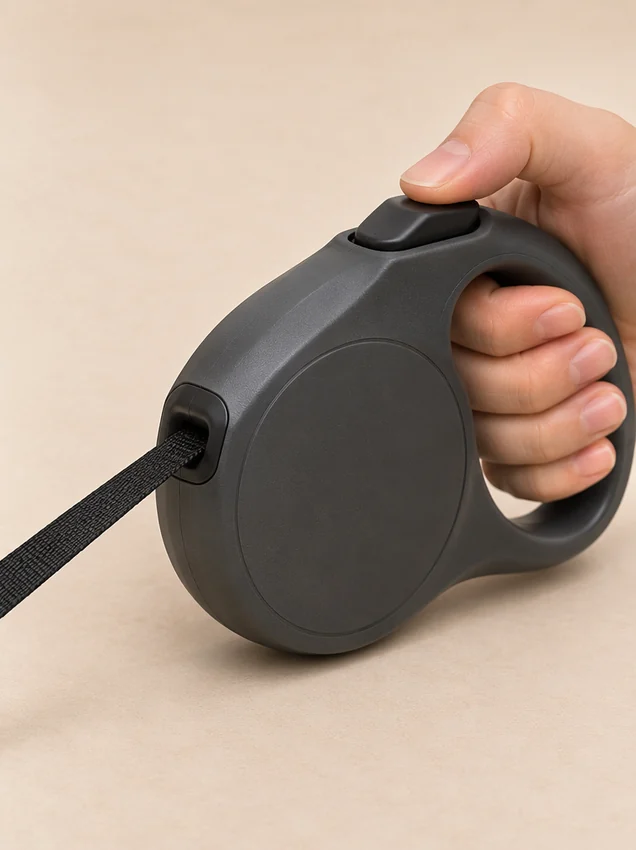
For a retractable sample, record how the brake and lock were checked and what would count as an unacceptable release or uneven rewind. Where repeated-cycle testing is needed, agree on the method and pass criteria before testing. Review the relevant evidence again if the spring, reel, brake or line material changes.
Ask what supports each claim on the pack. A hook rating covers the hook. A stated dog-weight limit and a measured test load describe different things. A 2008 CPSC recall notice for a specific SlyDog retractable model identified a metal clasp that could bend or break. The finished hook connection belongs in your sample review alongside the reel and brake. CPSC recall notice.
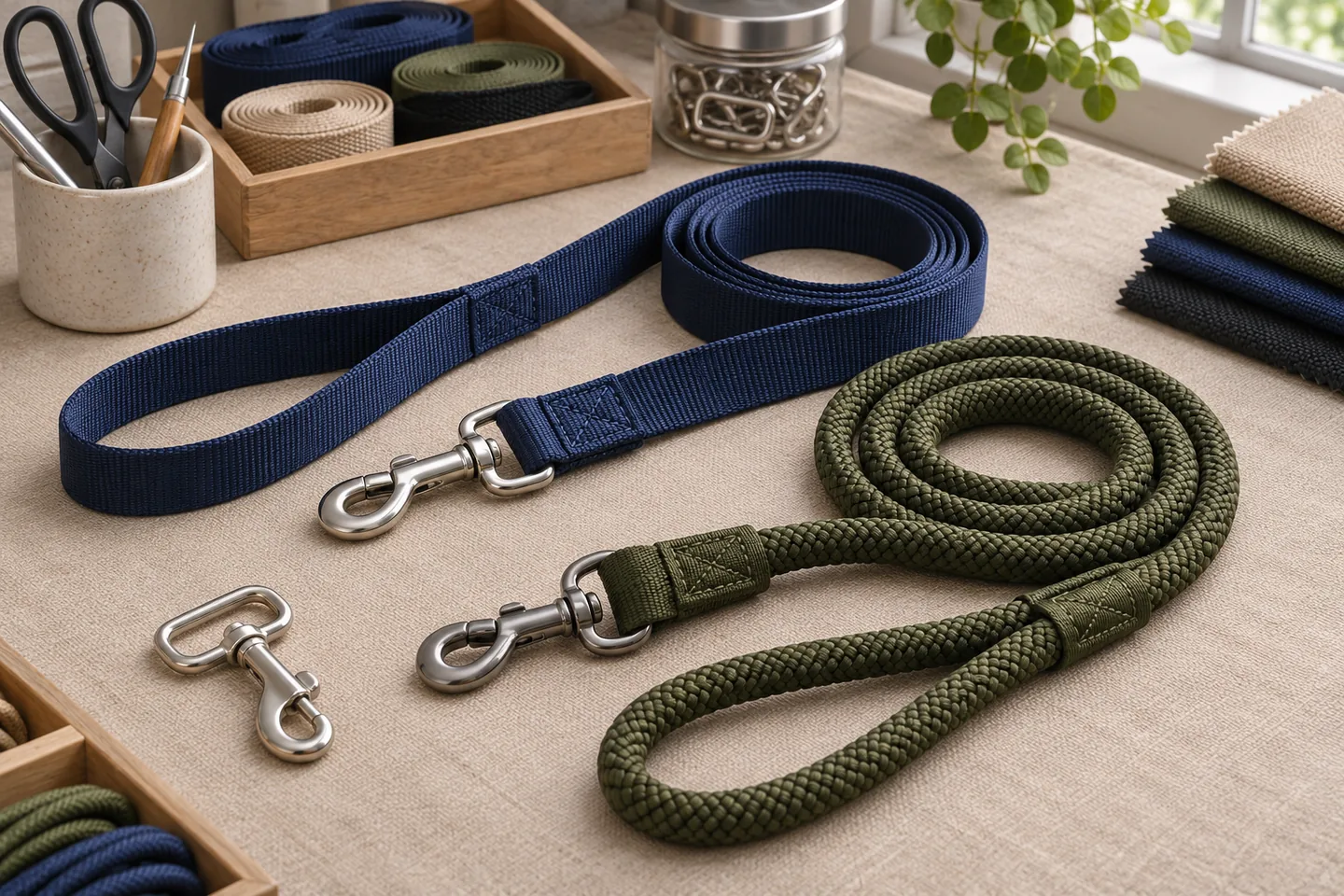
For tape and cord options, compare line visibility and how the material feeds through the outlet. Match brake or anti-tangle claims to evidence for the finished model.
Packaging and After Sales
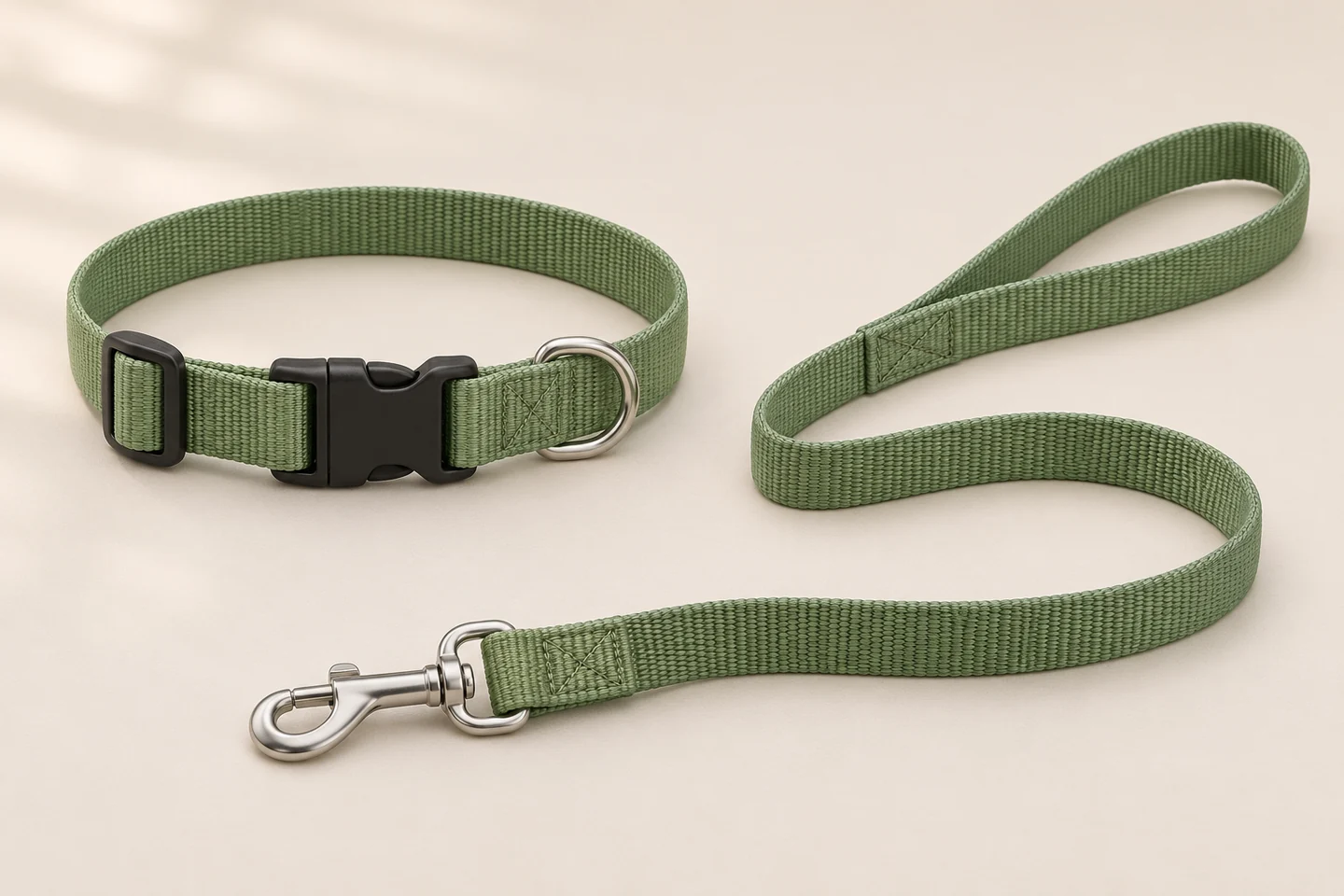
For a fixed long line, mark the length and tail style clearly. For a retractable, show the usable extension, finished product weight and stated dog-weight range by model in the retail listing. Check that the instructions distinguish braking from locking and explain when the line rewinds. Include model-specific limits, precautions about contact with the moving line and wet-line care. Flexi, for example, advises letting wet tape dry before winding it back in. Flexi model instructions.
For EU sales, review the General Product Safety Regulation against your role and destination. Articles 9 and 13 address manufacturer responsibilities, including placing products on the market under your own name or trademark. For online offers to EU consumers, also check Article 19 for product identification, relevant economic operator details and warnings. EU General Product Safety Regulation.
Agree how customer service can trace a returned unit by model and batch, what evidence to collect, when the supplier will respond and when a replacement or credit applies. Set an escalation route for recurring defects.
How Many Variants Can Your First Order Support
Three fixed-line lengths × three colours × two tail styles give 18 SKUs. Three retractable dog-size categories × two colours × two line types add 12. Before approving all 30, check which versions retailers can explain and reorder separately. Each sellable variant needs accurate packaging and inventory records, plus the correct identifier where your channel uses GS1 GTINs. GS1 guidance on variants.
An importer serving independent pet shops could show one fixed nylon line and one retractable tape model. Record initial orders and repeat requests by store type. If training shops keep asking for the fixed line, a second length may make sense. If the retractable draws orders, confirm the mechanism and packaging before adding colours.
What to Send for a Wholesale Quote
Request separate quotes for each construction. For a fixed line, give the length and measuring endpoints, material, width, tail style and hook reference. For a retractable, give the housing and mechanism version, extension length, tape or cord, brake and lock, and intended dog-size range. Include estimated units by variant, market and branding or pack needs.
Please quote the attached reference for our target market. Include the model, MOQ by variant, unit price, packaging, units per carton, carton dimensions and gross weight. Use the agreed currency and Incoterms® 2020 rule, and state the named port or delivery point. Show sample, setup and test charges separately, and tell us which changes require a new sample before bulk production.
Compare freight and any applicable duties or handling charges on the same delivery assumptions. Keep replacement and credit terms alongside the landed-cost comparison.
Discuss Your Long-Line Leash Project
Developing a fixed long-line range? Send AnimalGamesLove a product photo or link, target length, estimated quantity and sales market. We can review the construction and confirm what can be quoted. If you are also comparing a retractable model, share the reference and market so its sourcing feasibility can be reviewed separately.
For more on lengths, materials and hardware, read our Extra-Long Dog Leashes Wholesale Buying Guide.
Related Blog
Tell Us About Your Pet Product Project
Sample Evaluation
Confirm sample availability, any charges and freight before reviewing the product.
OEM Customization
Review product-specific branding, material and packaging options before sampling.
Production Planning
Agree on production lead time and shipping handover after sample approval.
Project Follow-up
Use the same email thread to share sample comments, artwork revisions or order questions.